
How to Push Through Mental Fatigue and the Feeling of Failure and Defeat to Stay Focused on Getting a New Skill
Gymnastics is a sport that demands physical strength, agility, and intense focus. But as difficult as the sport is physically, it is the mind that often faces an even greater challenge. One of the hardest parts for gymnasts, especially when learning new skills, is dealing with the mental fatigue that comes from trying again and again without success. The frustration, feelings of defeat, and mental “check out” can happen quickly, making it seem like getting the skill is slipping further away.
But why does this happen? And how can gymnasts push through mental fatigue and stay focused on their goals?
At Gymnastics Mindset Academy, we help gymnasts understand that mental fatigue is natural. It’s a signal that the brain is working hard and needs a different approach to keep learning and performing. The key is understanding the reasons behind the fatigue and using specific mental recovery techniques to overcome it.
Why Gymnasts Feel Mentally Fatigued
Mental fatigue is common when gymnasts are constantly trying to master a new skill, whether it’s a beam series, a bar dismount, or a new tumbling pass. The brain, just like the body, can only take so much before it begins to shut down. This is especially true when the gymnast isn’t seeing progress, which can lead to frustration and self-doubt.
Take Anne, a level 7 gymnast who has been trying to get her jump to the high bar for years. She’s capable of doing level 7 skills across the board, but this one skill is holding her back. What’s worse for her isn’t the jump itself but how she feels after each failed attempt. “It’s not that I’m scared of the jump,” Anne shared. “It’s how I treat myself when I don’t get it. Every time I fail, I feel like I’m disappointing my coach and myself. It’s exhausting.”
Anne’s struggle is something many gymnasts face—the fear of self-criticism and the pressure to live up to others’ expectations. This emotional fatigue often leads gymnasts to feel stuck, mentally checked out, or convinced that progress is impossible.
The Importance of Mental Recovery Techniques
When mental fatigue sets in, many gymnasts instinctively try harder, repeating the skill until they “get it.” But this can backfire. Pushing through without dealing with the mental exhaustion can lead to burnout, making progress even harder.
This is where mental recovery techniques come in. At Gymnastics Mindset Academy, we teach gymnasts to recognize when they’ve hit a mental wall and give them tools to reset their focus. It starts with taking a breath, checking in with their feelings, and being honest with themselves. “I’m feeling defeated right now, and that’s okay.” Accepting where they are is the first step. From there, they can refocus on why they’re working on the upgrade, choose one simple correction to try, and decide how they want to feel before going for the skill again.
Visualization can also be a powerful tool if they are able to picture themselves successfully completing the skill, giving their brain a break while staying engaged.
Meredith, a gymnast who has been working for years to master her bail, knows this struggle well. She would make progress and then slide backward, leaving her incredibly frustrated. “It felt like every time I made some headway, I would fall back to square one,” Meredith shared. “I felt like I was never going to be able to just go for it. I knew the skill, but I was mentally stuck.” Through mental performance coaching, Meredith learned how to reset her focus between attempts, staying mentally engaged without the frustration of constant failure. Over time, her consistency improved, and her frustration lessened.
“It felt like a weight had lifted off me,” Meredith said. “I wasn’t dreading the skill anymore, and that made all the difference.”
Why Small, Achievable Steps Matter
Another key to pushing through mental fatigue is breaking down the skill into smaller, achievable steps. When gymnasts focus only on the final result, the goal can seem impossibly far away. But when they break it down into smaller tasks, they start to see progress again, which re-engages the brain and keeps them motivated.
This approach taps into the brain’s reward system. Small wins trigger dopamine, the brain’s feel-good chemical, which motivates the gymnast to keep going. Each step forward, no matter how small, builds confidence and helps push through the mental fatigue.
Keisha, a mom whose daughter struggled with beam skills, shared how breaking things into small steps transformed her daughter’s mindset. “Before working with Gymnastics Mindset Academy, my daughter was ready to give up on beam. She would try the skill over and over, and each time she didn’t get it, she got more frustrated. But after learning to focus on smaller parts of the skill and celebrate those small wins, she started to see progress again. It was like watching a weight lift off her shoulders.”
How to Manage the Feeling of Defeat
Defeat is one of the toughest emotions for gymnasts to handle. When a skill just isn’t coming together, it’s easy for them to feel like they’re failing—not just at the skill, but as athletes or even as individuals. We see this often with gymnasts who have been stuck at a certain level or skill for a long time. They start to believe that they’ll never get past the roadblock, and that belief becomes a self-fulfilling prophecy.
At Gymnastics Mindset Academy, we help gymnasts shift their thinking. Feeling defeated doesn’t mean they’re a failure—it’s simply a signal that their brain needs a different approach. By changing the narrative from “I’m not good enough” to “I’m learning,” gymnasts can reframe their struggles as part of the journey, rather than an obstacle that’s impossible to overcome.
We also teach gymnasts how to embrace what we call “worthy fails.” These are failures that are valuable because they bring them one step closer to success. Failures aren’t roadblocks—they’re stepping stones.
One parent shared how this shift in mindset changed her daughter: “Before, every time my daughter didn’t get a skill, she would shut down emotionally. She would say things like, ‘I’m never going to get this,’ and it broke my heart to see her lose confidence. But through the coaching, she learned that it’s okay not to get it right away. She started seeing each attempt as progress, and her confidence came back.”
Building Resilience Through Mental Training
The ultimate goal of mental performance coaching is to help gymnasts build resilience. When they learn how to push through mental fatigue and overcome feelings of defeat, they grow stronger—not just as athletes, but as people. This resilience helps them handle nerves, fears, and challenges with greater confidence and control.
Ananya Krishna, a gymnast who struggled with managing her fears, shared, “Gymnastics Mindset Academy taught me to handle negative thoughts and build confidence. The coaching calls helped me manage my fears and achieve my goals. I highly recommend joining if you’re struggling to reach your full potential.”
Ananya’s experience mirrors that of so many gymnasts who go through our program. They learn not only how to push through mental fatigue but also how to manage the emotional highs and lows that come with training. This mental strength becomes their greatest asset in both gymnastics and life.
Conclusion
Mental fatigue, frustration, and the feeling of defeat are all part of a gymnast’s journey, especially when learning new skills. But these challenges don’t have to stop gymnasts from reaching their goals. By understanding why these feelings arise and learning how to manage them, gymnasts can stay focused, build resilience, and ultimately achieve the skills they’ve been working so hard for.
At Gymnastics Mindset Academy, we guide gymnasts through this process. Our mental performance coaching helps gymnasts break down their training into smaller steps, reset their focus, and view challenges as opportunities for growth. Whether it’s learning to push through mental fatigue or overcoming fear and frustration, we provide the tools gymnasts need to succeed.
If your gymnast is struggling with mental fatigue or feeling stuck in her skill development, we invite you to join our free training, “Unlock Your Gymnast’s Full Potential.” You’ll learn how mental performance coaching can help your gymnast break through barriers and reach her goals.
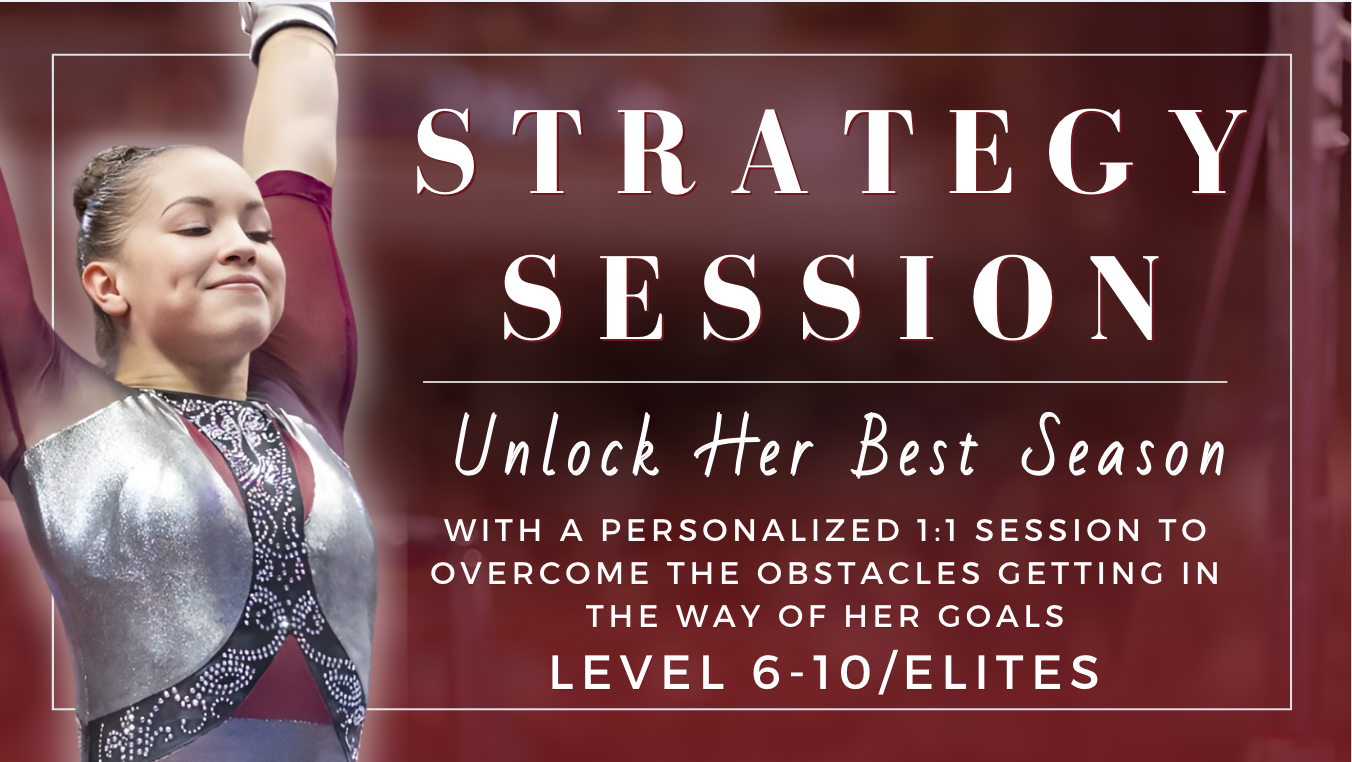
Get Started With a FREE 1:1 Strategy Session
In this free 1:1 strategy session, your gymnast will clarify her goals for the year and determine what it will take to reach them and what will get in her way. Then we will discuss if she is a good fit for our mental performance coaching and training program and the next steps with you both.
Regardless of if you join us, you will walk away with our before and after goal setting process she can use again and again to get crystal clear on her goals and her path to reach them.
Free Training Clinic for Compulsory Gymnastics Parents!
The Proven 4-Step Mindset Method Your Gymnast Needs to Unlock Her Full Potential in the Gym and Out on the Competition Floor… So She Can Take Her Gymnastics to the Next Level!
Click the button below to get the parent training clinic every gymnastics mom needs to help their gymnast finally believe in themselves.